
How to Increase Motivation in Kids with Anxiety or OCD (For Child Therapists)
Working with kids who aren’t motivated in anxiety or OCD treatment can feel frustrating and confusing for child therapists. Whether a child is avoiding exposure work, shutting down in session, or saying they “don’t care,” understanding what’s driving low motivation is key to helping them engage in treatment.
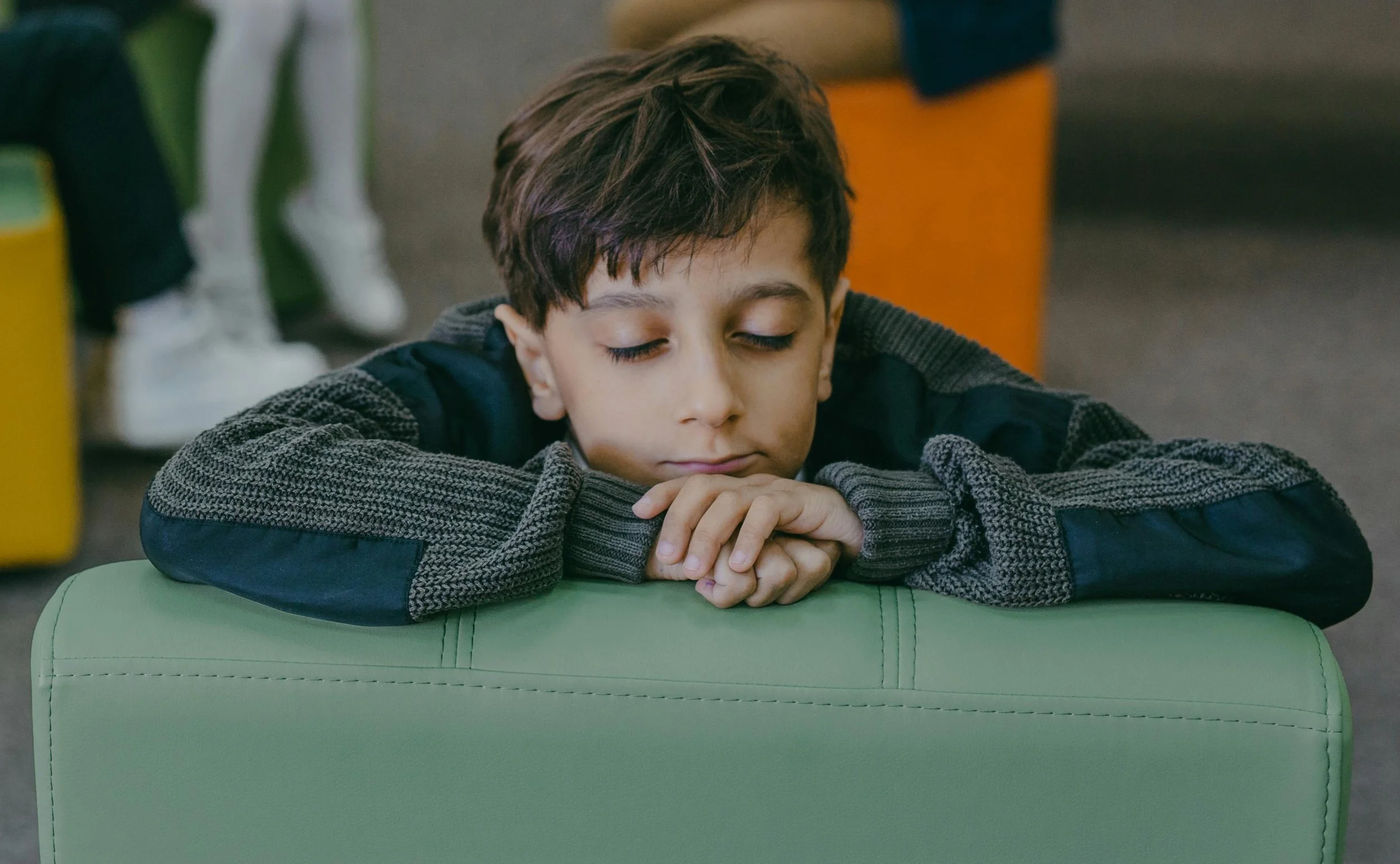
One of the most frustrating moments as a child therapist is this:
You know what would help the child. You have a solid plan. You’re ready to go.
…and the kid just isn’t into it. They don’t want to try, say “I don’t care,” or deny there is a problem at all.
Common Reasons Kids Resist Therapy or Exposure Work
1. What they’re doing is working (at least short-term)
Avoidance and compulsions reduce distress in the moment.
2. There’s too much pressure to change
Pressure often leads to shame, shutdown, and resistance.
3. The “why” doesn’t feel meaningful
Kids struggle to connect to long-term benefits.
4. They don’t think there’s a problem
No problem = no motivation.
5. The plan isn’t clear
Vague treatment lowers engagement.
6. They don’t know their values yet
Without values, it’s hard to tolerate discomfort.
7. Anxiety sensitivity is too high
They’re avoiding the feeling itself.
8. They’re burnt out
They may feel like nothing will work or have seen therapists before and have no reason to think this will be any different.
Why Motivation Matters in Exposure Therapy
In exposure-based CBT, motivation plays a critical role. Kids are being asked to do things that feel uncomfortable or scary. Without buy-in, even the best-designed exposure plan can fall flat. That’s why understanding and building motivation is often the first step before diving into exposure work.
How to Increase Motivation in Kids with Anxiety or OCD
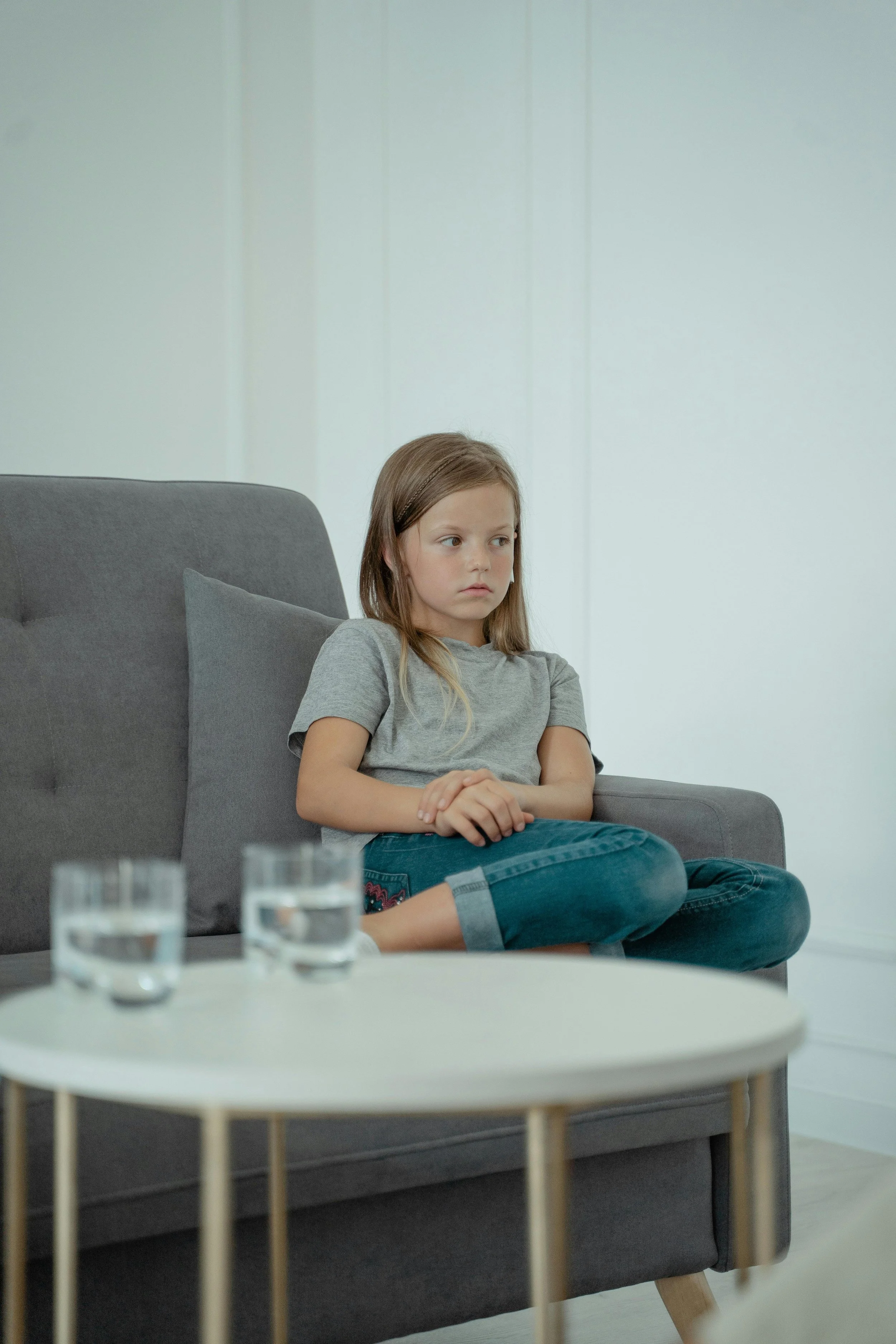
Effective strategies include:
- Reward systems: The Child Therapist Hub invited Natasha Daniels, OCD and Anxiety Expert to do a talk on building effective incentive plans.
- Exploring cost vs benefit: Why would a kid want to change, why might they not? Making space for the reasons they may want things to stay the same can be powerful.
- Identifying their “why”: This work is HARD and kids need to have a solid understanding of why they would even want to do this. There are some basic and creative ways to accomplish this that are outlined in the Hub.
- Values work: Most kids have never explored their values. Here is a great resource to start this today.
- Adjusting parent accommodation: The more parents do things to help kids avoid anxiety, the less discomfort anxiety causes and less motivated they may be to make changes.
- Paradoxical approaches: Sometimes completely backing off any need for the child to do any work at all can have a beautiful paradoxical impact.
- Clear treatment plans: When therapists outline the path for change in vague ways this can make things feel overwhelming and impact motivation.
- Small exposures: Doing some very very very small challenges that are linked to the target problem can create small wins that lead to big motivation.
- Anxiety sensitivity work: If a child is afraid of feeling distressed it is going to be really hard to get their buy-in to do things that will create these feelings. The Child Therapist Hub has tons of resources on addressing anxiety sensitivity in kids.
There is no one-size-fits-all solution. The strategy must match the barrier.
Want the Step-by-Step Version of This?
If you’re a child therapist looking for step-by-step support with increasing motivation in kids with anxiety or OCD, The Child Therapist Hub includes:
- Detailed descriptions of each intervention outlined above (and more!)
- Printable tools and activities you can use in session today
-Creative ideas for playfully enhancing motivation
-Plus, tons of learning, resources, ready-t0-use downloads, videos organized by phase of treatment for exposure based CBT intervention.
-Monthly live consults
-Supportive community of other child therapists who get it!
Knowing what to do is one thing. Knowing how to use it in session is everything.